
Finding People Across Yolo County
A useful search starts with the fact already known. A full name can go to the Clerk-Recorder grantor and grantee index or the Superior Court party search. An address belongs first in the Assessor Public Search, then the GIS viewer, deed index, or city permit system. A death, marriage, or family link calls for vital records, probate, newspapers, and archive holdings. No single Yolo County database joins all of those sources.
Confirm identity with two records whenever names are common. A court docket may supply a case number and filing date, while a deed or permit ties the same person to land. Public work directories can distinguish a county or university employee from another person with the same name. Phone numbers and email addresses in public staff records are office contacts, not proof of a home address.
Geography changes the route. Woodland, Davis, West Sacramento, and Winters control many of their own permit, code, and staff files. Yolo County Community Services handles building and code matters in unincorporated communities such as Esparto, Dunnigan, Clarksburg, Knights Landing, and the Capay Valley. A West Sacramento address may look tied to Sacramento, yet county deeds, assessments, and court records still belong on the Yolo side of the river.
- Search the known name in the county official-records index, including spelling and name variations.
- Run the Yolo Superior Court party search in last-name-first format and try a wildcard when needed.
- Turn a known address into a fee parcel or assessment through the assessor, then compare the map and deed trail.
- Move older family searches to probate, vital records, newspapers, yearbooks, and the Yolo County Archives.
- Ask the record custodian for an identifiable record when no public portal covers the needed file.
Use records lawfully. Yolo County records may support family history, estate work, civic research, and personal safety. Never use a record to stalk, threaten, or harass anyone.
Yolo County People Search Offices
Woodland is the county's physical records hub. The combined Assessor/Clerk-Recorder/Elections department, known as ACE, keeps land indices, vital certificates, assessment resources, and election data at the Court Street campus. Yolo Superior Court owns the case record, minute order, probate note, and divorce-decree trail. The Archives supplies the long view when a modern index ends. Detailed access rules and request procedures appear with the Yolo County public records system.
Yolo Clerk-Recorder
625 Court Street
Woodland, CA
530-666-8130
Official Records Search
Yolo Superior Court
1000 Main Street
Woodland, CA
Court Online Services
Yolo County Archives
226 Buckeye Street
Woodland, CA
530-666-8010
Archives and Historical Collection
Yolo County Recorder Index Limits
The Yolo Official Records Search gives free access to real-property index entries from 1970 forward. Search every version of a person's name. The recorder calls the index a guide, does not have staff perform searches, and usually posts updates or corrections within three business days after recording. A grantor transfers an interest; a grantee receives it. Those roles can reveal purchases, transfers, liens, and other recorded events.
The online result does not provide the whole recorded image. Images are available at the office kiosk. A selected item can be placed in the cart for a plain Official Record Copy by email or a Certified Copy by mail. Payment for an online cart order is completed by calling the Clerk-Recorder. That hybrid path matters when the wording, legal description, or signatures in the document are needed.
Start with the online index to capture the recording reference, document type, and parties. If a family or estate question turns on the document itself, inspect the image at the kiosk or order the appropriate copy. Do not assume that an index spelling is exact. Initials, former surnames, compound names, and business names can divide one person's trail across several entries.
The county's official-records source page shows the same kiosk and copy rules before a search begins.
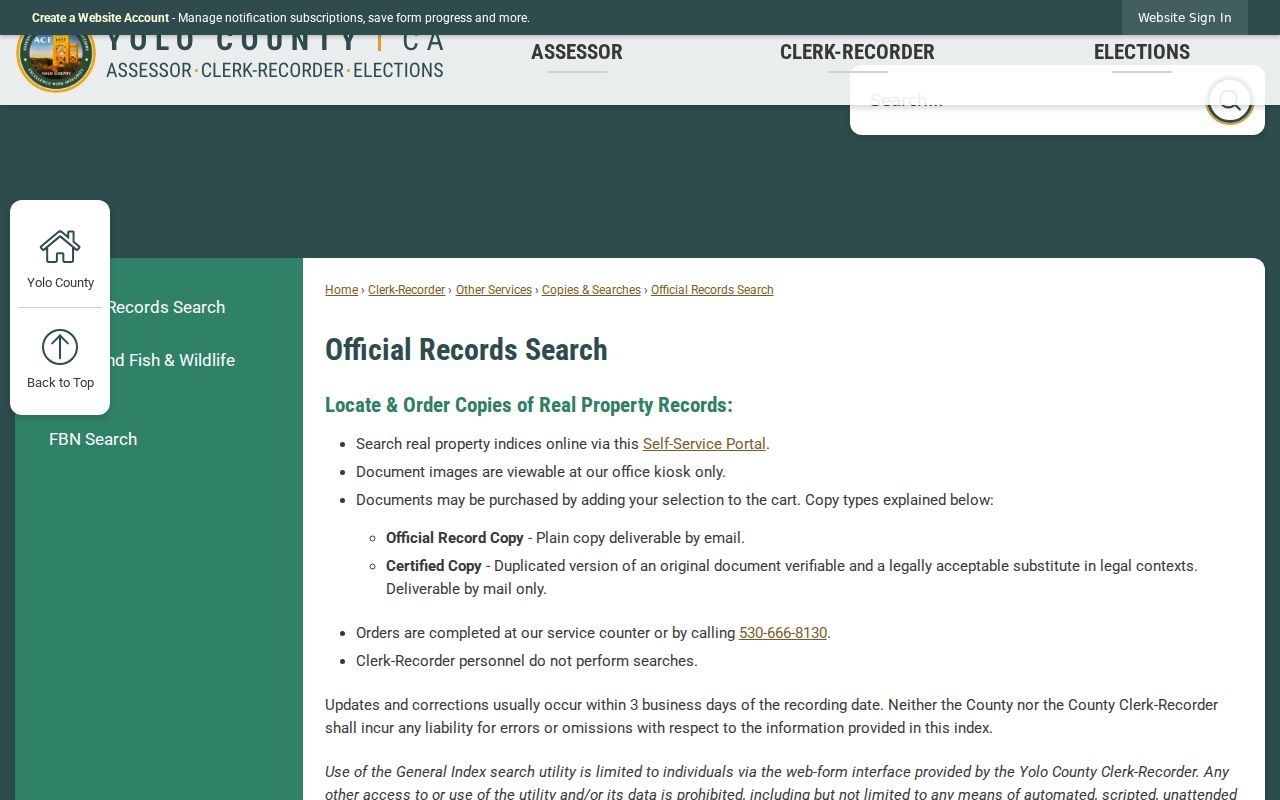
The captured page helps set expectations before a trip to Woodland or a copy order.
- Index
- A finding aid that points to a recorded item, not the full document.
- Grantor
- The person or entity giving or transferring an interest.
- Grantee
- The person or entity receiving that interest.
- Certified copy
- A copy authenticated by the custodian for official use.
Search Yolo County Court Names
The Yolo Superior Court Tyler Portal searches parties and case numbers without public-user registration. Enter a person as Last, First Middle Suffix. The court's reference guide says an asterisk can widen a partial name and case numbers work with or without dashes. Advanced filters include party, case, judgment, filing-date, judicial-officer, and case-status criteria.
A result can identify a case number, party, case type, hearing information, and public minute orders. A docket is the court's chronological case activity list. It is not proof that every document is open. Juvenile, adoption, sealed, confidential, and some family or mental-health material stays restricted. Yolo County has no separate municipal trial court; local civil, criminal, family, probate, traffic, and ordinance matters route through Superior Court.
Search Hearings offers another route when the date or courtroom matters. The court guide describes searches by case number, party, attorney, judge, or courtroom and relies on dropdown choices. Probate researchers can also open Probate Notes from the court's online-services hub. Historical probate does not end at the current portal: the California State Archives identifies a separate Yolo probate run from 1850 through 1923.
| Case source | Useful name trail | Access path |
|---|---|---|
| Yolo Superior Court | Civil, criminal, family, probate, traffic | Tyler Smart Search and clerk procedures |
| Probate Notes | Estate, guardian, conservator, lodged will | Court online-services hub |
| Eastern District of California | Federal party and bankruptcy records | PACER |
Note: Public portal access does not override a sealing order or a California court rule that limits remote access.
Yolo County Address Parcel Search
A street address can bridge several Yolo County records. Begin with the Yolo Assessor Public Search, which offers fee-parcel, assessment, and street-address modes. The county recommends omitting suffixes such as Street, Road, Drive, or Lane, shortening directionals to one letter, and trying a shorter query. A fee parcel can summarize current, delinquent, and outstanding assessments. An assessment number calls up a specific assessment and may not show every amount tied to the parcel.
| Search mode | Format or use |
|---|---|
| Fee Parcel | Enter 2 to 20 characters; the number appears on the tax bill. |
| Assessment | Use the specific assessment identifier. |
| Street Address | Omit road suffixes and abbreviate directions. |
The assessor search screen makes the three paths clear.
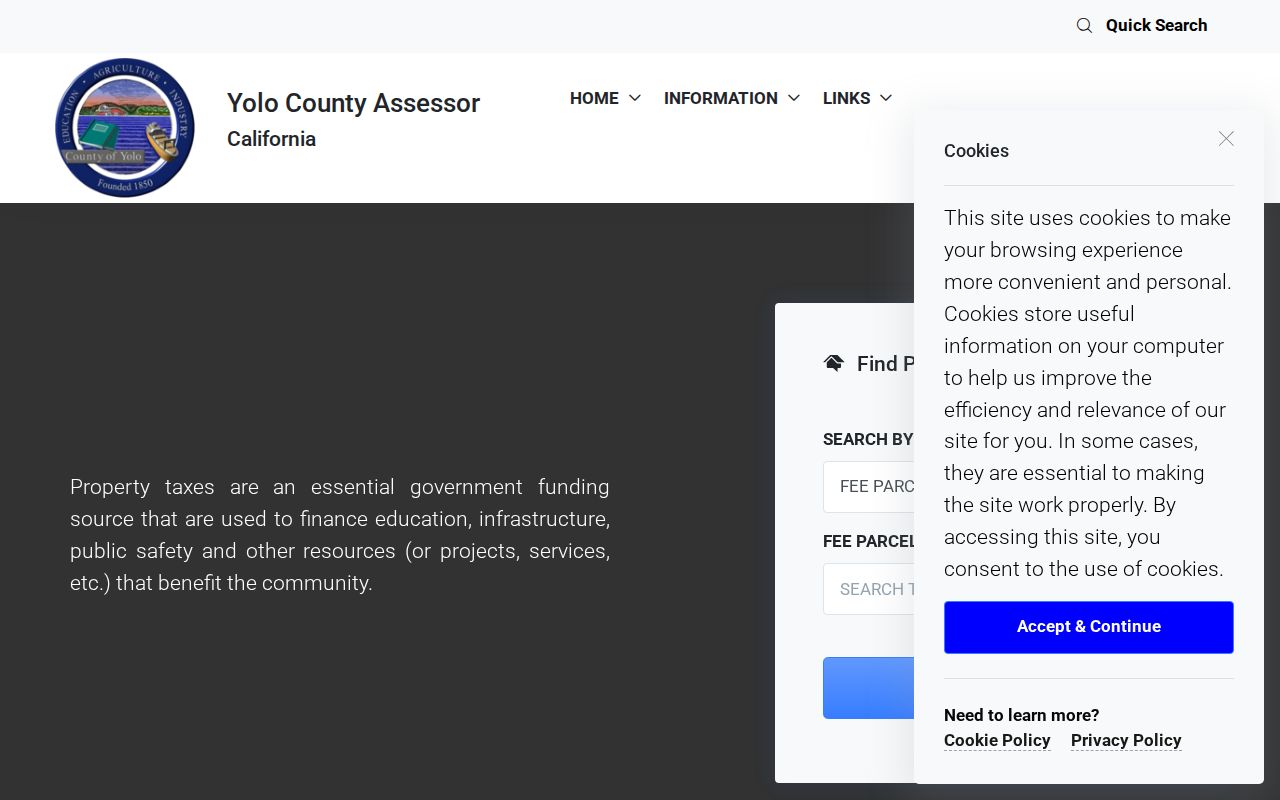
Use the parcel identifier to move next to the recorder or GIS, rather than treating the map as a final legal record.
Davis Permit Name Trails
City records matter because Yolo County is not one permit jurisdiction. The Davis building-permit search accepts an application number, address, parcel, or name. Address mode breaks a location into street number, direction, name, and suffix. Parcel mode can use book, page or block, parcel, subdivision number, and lot. Name mode supports begins-with or contains matching.
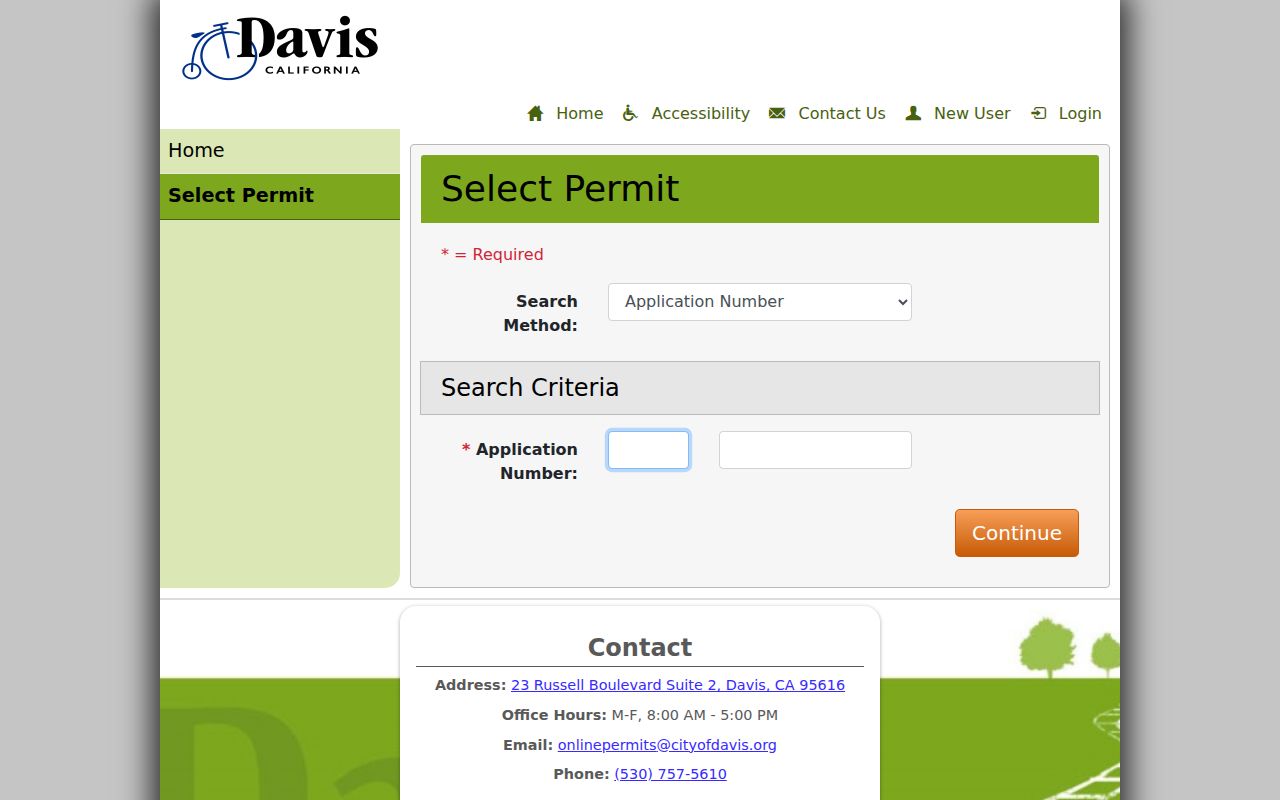
The search choices can connect a person or address to a city permit application without assuming the county office holds it.
Davis also publishes a separate code-enforcement case search. It allows case number, address, or owner mode, and tells users to enter an owner as last name first.
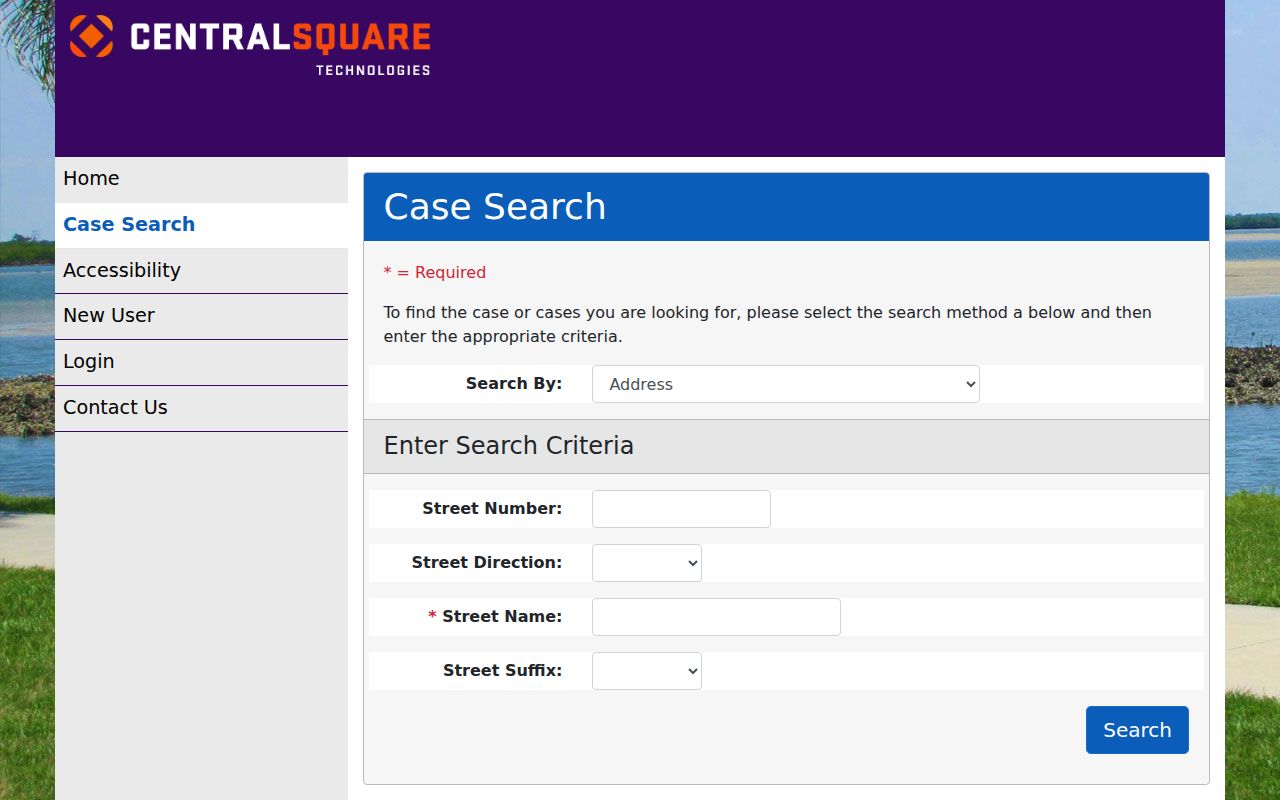
Woodland has its own permit portal, while unincorporated addresses route through Yolo County Community Services. West Sacramento and Winters also keep their own city files.
Order Yolo County Vital Records
The Yolo Clerk-Recorder issues birth, death, and marriage certificates for events registered in the county. Its birth files begin in 1878, while marriage records begin in 1850. California distinguishes an authorized certified copy from an informational copy. The authorized version is limited to people allowed by law, such as the registrant, specified close relatives, a person with a court order, and listed professional or government representatives. An informational copy is marked as not valid to establish identity.
Orders can be placed through the county's online vital-record service, at the counter, or by mail. A mailed authorized request must be signed before a notary. The county also provides a fax process for marriage requests. Divorce decrees belong to Yolo Superior Court, not the recorder. For an event outside Yolo County, contact the county of registration or California Department of Public Health Vital Records.
Older family research uses more than certificates. The California State Archives lists Yolo death records for 1863 to 1913 and marriage records for 1906 to 1920, while Yolo County Archives holds newspapers, yearbooks, manuscripts, and county materials.
Use every documented access channel when a certificate is needed. Online orders are processed through the county vendor. Counter service can produce a certificate after the application and payment steps. Mail requests take the paper form, payment, and notarized sworn statement when an authorized certified copy is requested. The county page also supplies a marriage fax procedure. If the search is genealogical rather than evidentiary, an archive index, obituary, or probate file may answer the question before a certificate order is placed.
Yolo County Archives Before Online Records
Online official records begin in 1970, but Yolo's history does not. The California State Archives county inventory lists Yolo probate from 1850 to 1923, naturalization from 1850 to 1941, deeds from 1874 to 1901, homesteads from 1861 to 1914, deaths from 1863 to 1913, and marriages from 1906 to 1920. Some microfilm lacks a name index, so reference staff and the original county custodian remain part of the search.
The local Yolo County Archives is the official repository for county history from the 1850s forward. Its collections include maps, photographs, blueprints, manuscripts, bound volumes, newspapers, yearbooks, and donated family or business material. Digitized Board of Supervisors records may name petitioners, appointees, officials, and landowners who do not appear in a modern directory.
Archives access includes an online collections database, a reading-room catalog, digitized supervisor records, and an appointment-based reading room at 226 Buckeye Street in Woodland. Appointment hours are Tuesday mornings and Thursday afternoons. An email to archives@yolocounty.org can help determine whether a name index, volume, yearbook, newspaper, or manuscript collection is likely to hold the person before an in-person visit.
Naturalization is especially rich. Finding aids describe Yolo records extending through the mid-1900s, with declarations, petitions, affidavits, certificates, alien-enemy notices, and some photographs. Those files can carry residence, former nationality, witness, court, and family facts.
Yolo County Custody Search Boundaries
County jail, state prison, court, and notification systems answer different questions. The Yolo Sheriff's detention pages describe booking and records services, but the research did not locate an official public live roster. Use the Yolo County Sheriff's Office booking-status or records path, or call the office, instead of relying on unofficial roster copies.
The California Incarcerated Records and Information Search covers people in state prison custody, not Yolo County jail. Results can show a name, CDCR number, age, current location, commitment counties, admission date, and parole-hearing information.
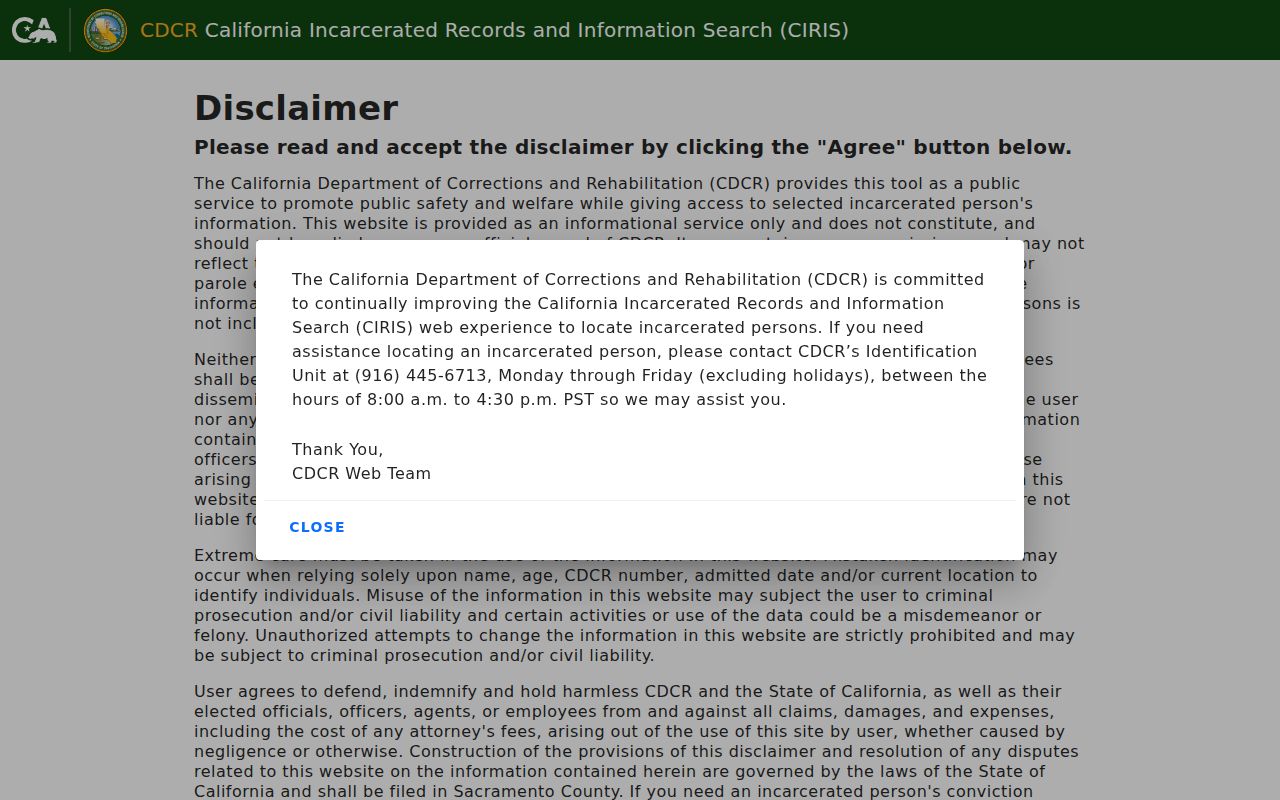
The captured CIRIS screen marks the proper statewide source. California VINE provides custody notifications, while criminal dockets remain with the court.
Yolo Safety Registry Limits
The California Department of Justice Megan's Law resource publishes certain registration information for community safety under Penal Code section 290.46. It is a focused safety registry, not a general criminal-history file. The state warns that the information cannot be used to harass, threaten, or commit a crime against a registrant.
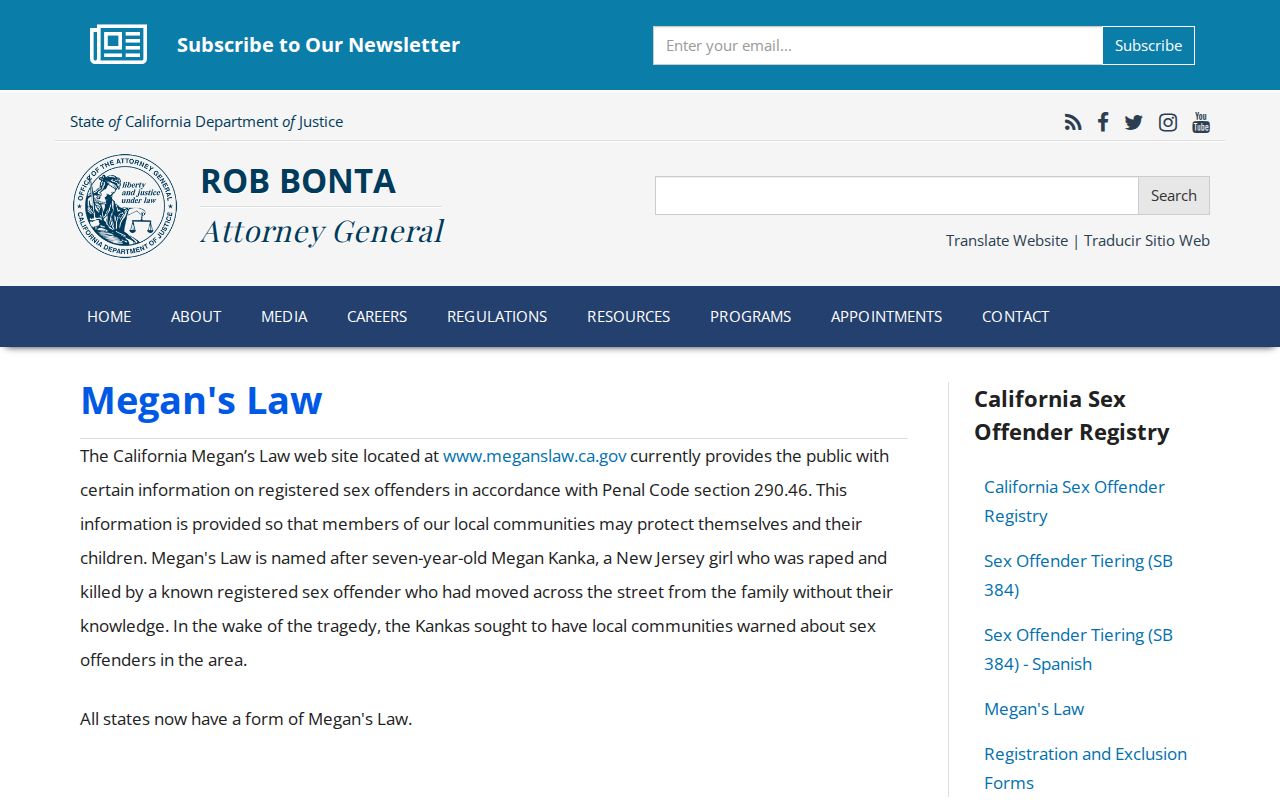
The DOJ page supplies the legal context that a copied third-party listing often loses. Check the court record separately when a case history is needed.
Yolo Business and License Searches
A person's public business role may appear outside county files. The California Secretary of State bizfile Online search covers corporations, limited liability companies, limited partnerships, agents, addresses, and filed documents. Its separate UCC search can use debtor name, secured-party name, or file number to locate lien notices and financing statements.
The Department of Consumer Affairs License Search reports whether many California licenses are current, expired, suspended, revoked, or otherwise disciplined. Some boards run separate systems, so the board named on the record may be the next stop. County fictitious business names and local permit files add the Yolo-specific layer, but exact FBN search fields were not captured in the research.
| Official source | Best identifier | What it may confirm |
|---|---|---|
| SOS bizfile | Business or agent name | Entity status, public addresses, filings |
| SOS UCC | Debtor, secured party, file number | Financing and lien notice |
| DCA search | Licensee name or number | Public license status and discipline |
Protect Yolo County Search Data
California's Safe at Home program gives eligible participants a substitute mailing address as part of a safety plan and protects address and voter information. A missing residence field may reflect a legal protection, not a poor search. Voter records are also confidential by default and are released only for qualified election, scholarly, journalistic, political, or governmental purposes. The personal My Voter Status tool is not a browse-all directory.
For data held by commercial brokers, the California Privacy Protection Agency's Delete Request and Opt-out Platform, known as DROP, launched in 2026. California residents can send one deletion request to registered data brokers. Brokers begin processing those requests on August 1, 2026, must delete within 90 days, and then repeat deletion every 45 days. Official county records are controlled by their custodians and do not disappear through a broker opt-out.
Note: Record gaps can protect safety and privacy; do not try to defeat a confidential-address or sealed-record rule.